
Engine Recalls
Hyundai Engine Recalls for Risk of Engine Failure and Engine Fire
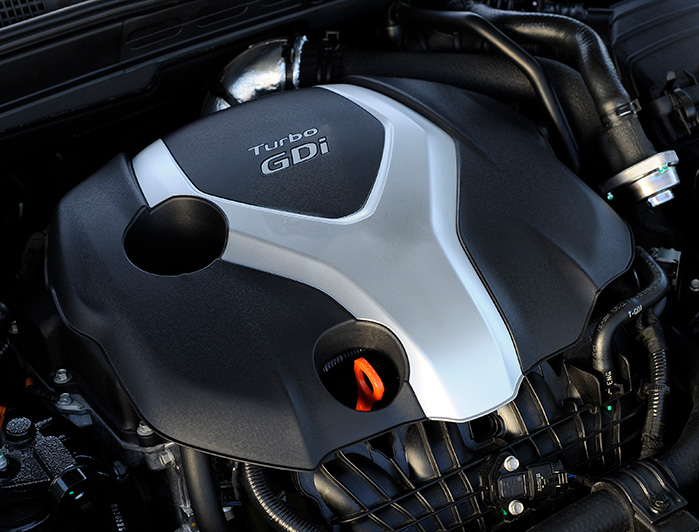
In close coordination with the National Highway Traffic Safety Administration (NHTSA), Hyundai has conducted several recalls to address manufacturing defects related to the engine’s connecting rod bearing assembly that results in premature connecting rod bearing wear leading to increased risk of engine seizure, engine failure, and/or engine fire. While the majority of incidents among affected vehicles are limited to engine knocking, there have been instances of stalling, meaning the engine may stop running while the vehicle is being driven. Importantly, drivers in this situation can maintain control of the vehicle as brakes, steering and safety devices like airbags remain operational.
Typically, as an engine becomes inoperable, drivers will be alerted by warning lights and sounds, and while the engine may experience some hesitation, drivers should have time to safely move the vehicle off the road.
Once installed in the Subject Vehicle, the Knock Sensor Detection System (KSDS) software continuously monitors engine vibrations for unusual patterns that develop as an engine connecting rod bearing wears abnormally that could later cause engine seizure. If vibrations caused by bearing wear start to occur, the malfunction indicator lamp will blink continuously, and the vehicle will be placed in a temporary Engine Protection Mode with reduced power and acceleration.
What to look out for

Check Engine

Engine Oil Pressure
Technical Overview
Among the affected vehicle population, vehicle stalling may be triggered by premature engine bearing wear. Indications of a worn bearing are outlined above. If the vehicle continues to be driven with a worn bearing, the bearing can fail, and the vehicle could stall. In some instances, engine stalling can lead to the fracture of a connecting rod. When a connecting rod fractures, it is possible for it to damage the engine block, allowing oil to escape and contact hot engine surfaces, which can lead to a fire.